31 October 2026
One-piece, three-quarter or two-piece: which snooker cue joint?
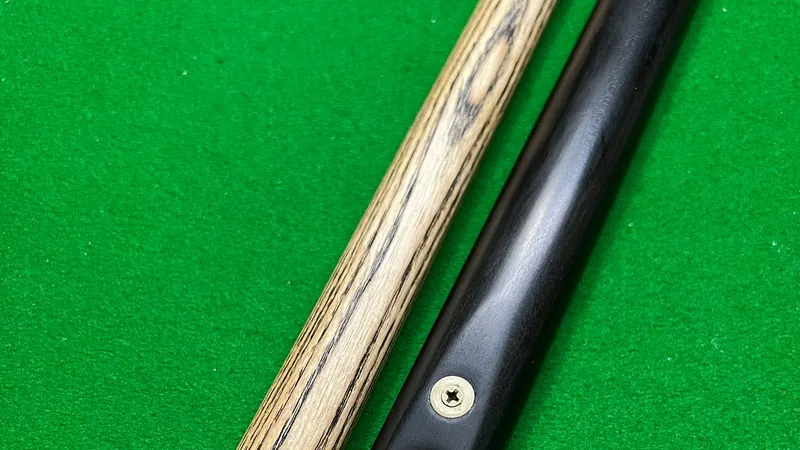
One-piece, three-quarter and two-piece snooker cues compared: feel, travel, extensions and cases, and how to choose the joint in the CueBuilder.
29 October 2026 · 1 min read
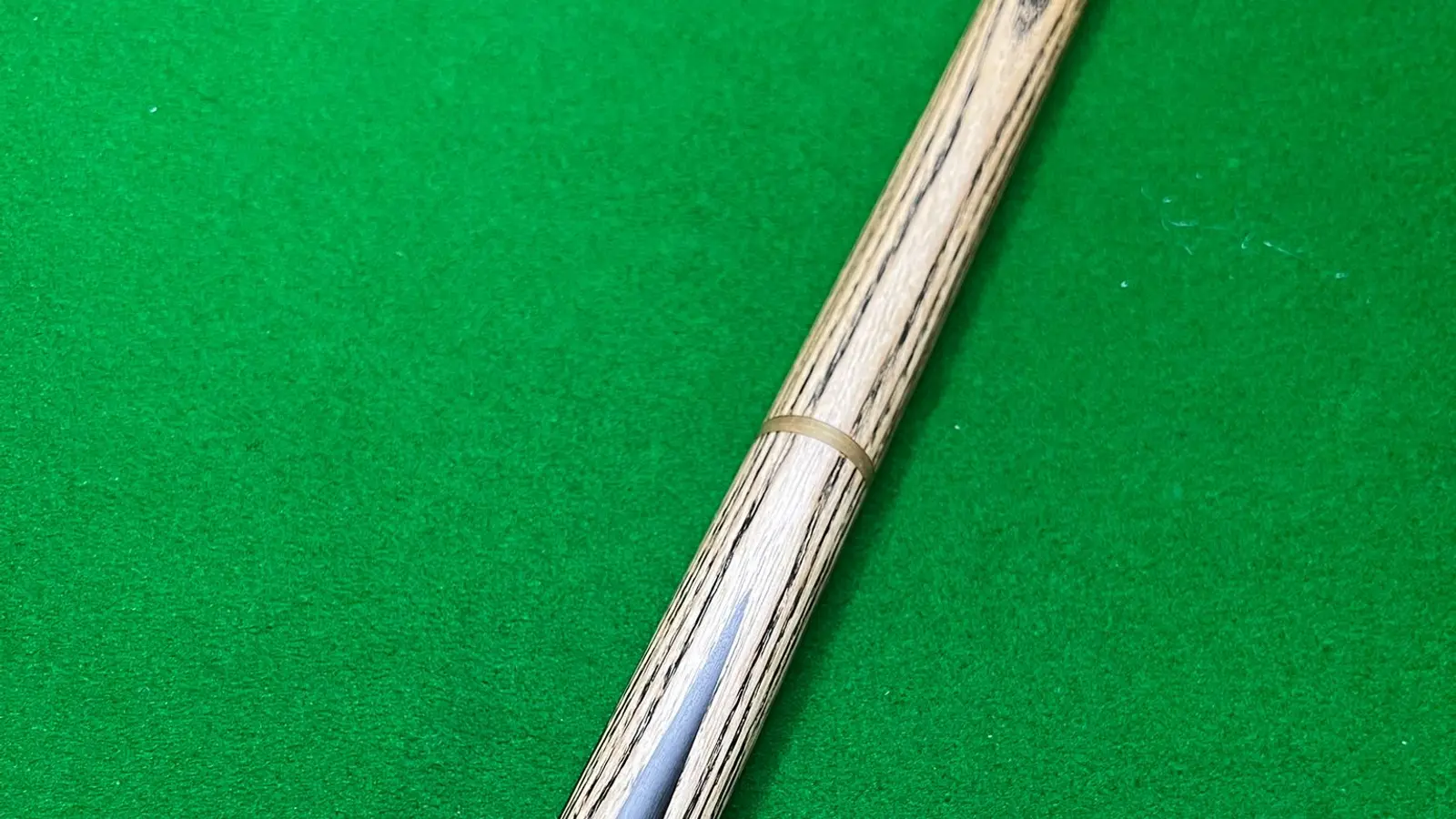
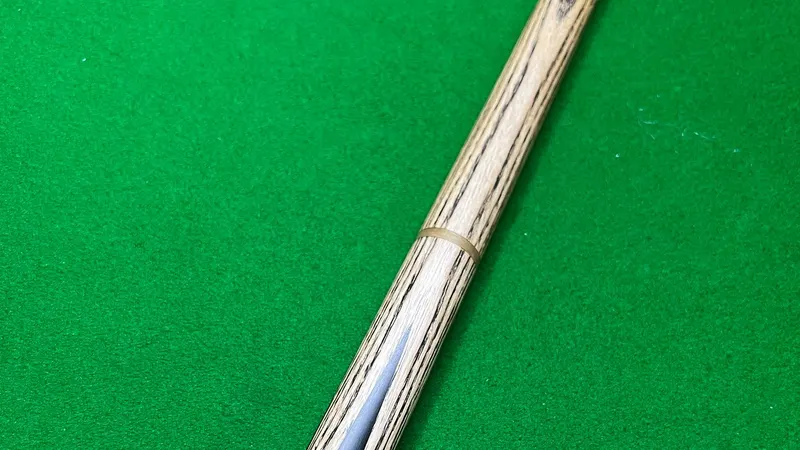
Cue specifications read like a parts list, but each number changes how the cue feels in the hand. Here is what the three that matter most actually do, using the Barracuda, 58 inches, 9.5 mm and 18 oz, as the example.
58 inches, sometimes 57, is the standard for an adult. Taller players sometimes go to 59 or 60 for extra reach. Shorter than 57 and the cue starts to limit your bridge length on long shots.
Snooker tips run from about 9 mm to 10.5 mm. A smaller tip makes side easier to apply and the cue feel more precise, at the cost of forgiveness. A larger tip is more forgiving on plain-ball shots. 9.5 mm sits in the middle, which is why so many professionals use something close to it.
Most cues weigh between 17 and 19 oz. A lighter cue is easier to accelerate smoothly and suits a player who generates pace with timing rather than force. A heavier cue feels more planted on power shots. 18 oz is light-to-standard and pairs well with a long, flowing action.
Balance point, butt diameter and the joint all change the feel too, and none of them show up in a three-number spec. That is why a cue built by hand to a known specification is worth more than one that only matches on paper.
31 October 2026
One-piece, three-quarter and two-piece snooker cues compared: feel, travel, extensions and cases, and how to choose the joint in the CueBuilder.
31 October 2026
Why most snooker cues are ash, what maple feels like instead, and how the grain and the butt wood change the look and balance of a cue.
30 October 2026
How to pick a cue length and weight that suits your height, bridge and cue action, and when to change from the numbers you already use.