31 October 2026
One-piece, three-quarter or two-piece: which snooker cue joint?
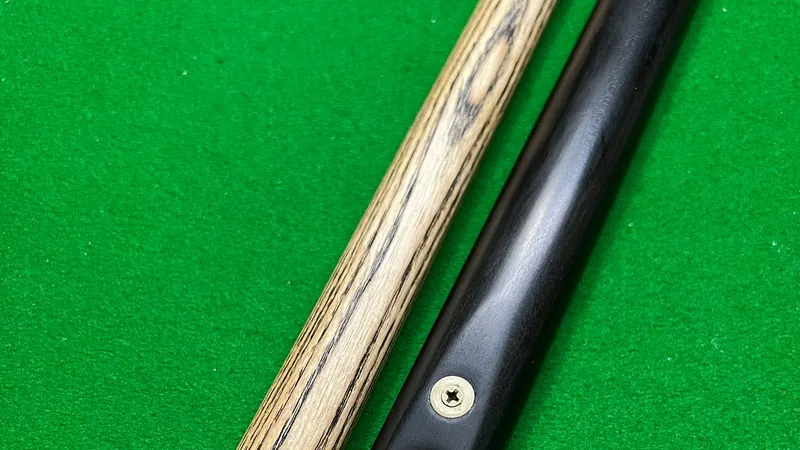
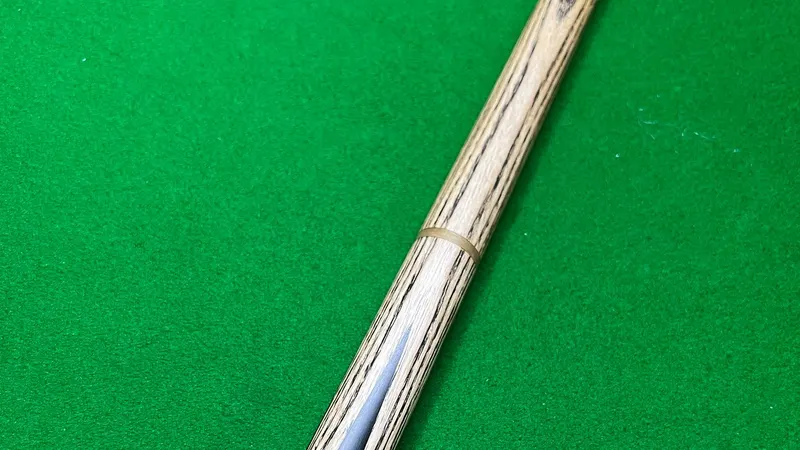
One-piece, three-quarter and two-piece snooker cues compared: feel, travel, extensions and cases, and how to choose the joint in the CueBuilder.
30 October 2026 · 1 min read
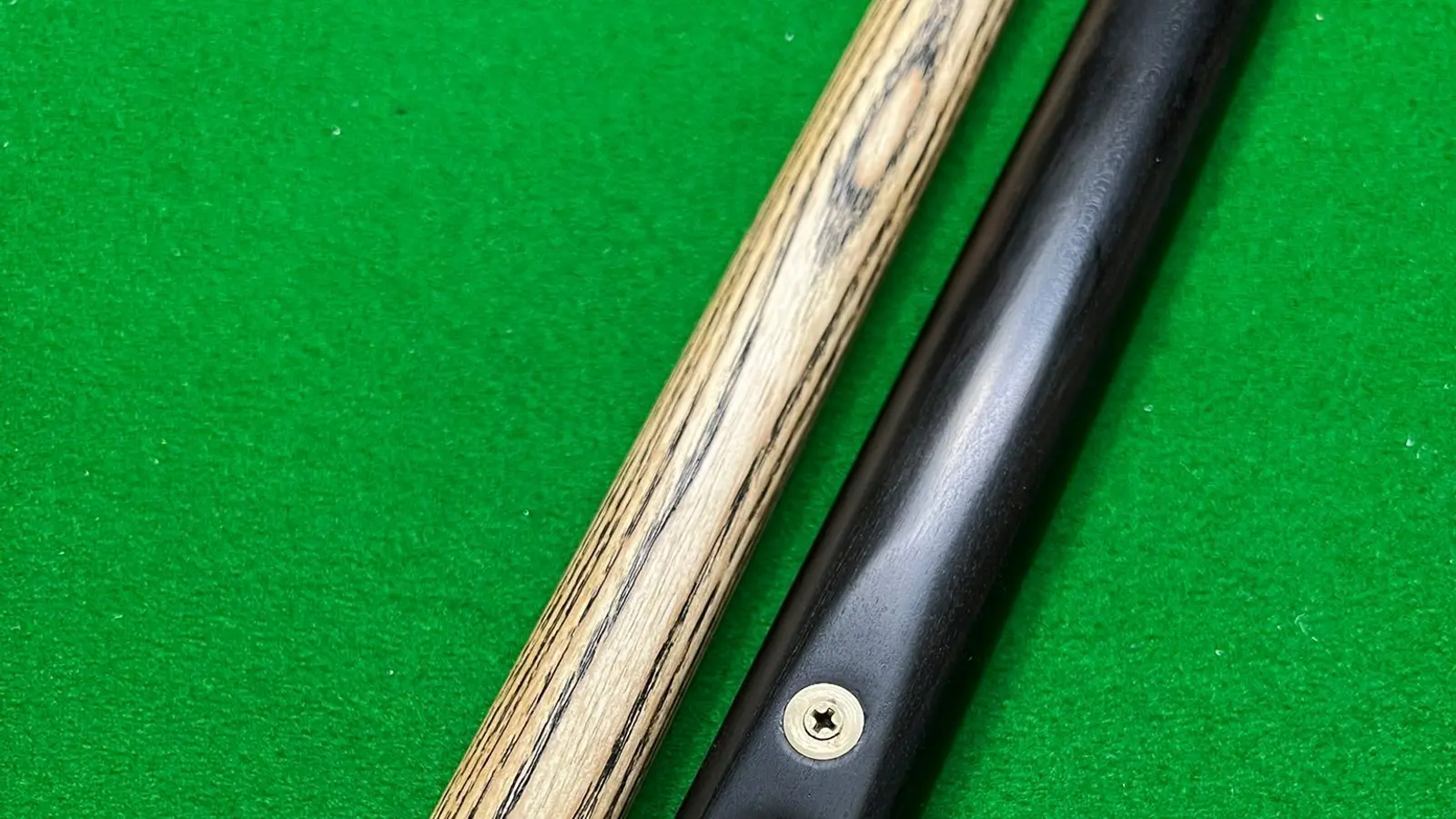
The CueBuilder will take any length from 57 to 60 inches and any weight from 17 to 21 oz. That is a lot of room. Here is how to narrow it down without guessing.
If you already have a cue you like, measure it and weigh it. Those two numbers are worth more than any chart, because they describe a cue you know you can play with. Change one thing at a time from there.
Standard is 57 or 58 inches and it suits most adults up to around six foot. Taller players, or anyone who plays with a long bridge and the cue well back in the hand, tend to go longer. Beware going long just because you are tall: a longer cue is harder to control on close work.
Between 17 and 19 oz covers nearly everyone. Lighter cues reward timing and a smooth action and feel quick on the shot; heavier cues feel planted and help on power shots but can make the cue action lazy. The Barracuda's 18 oz is the sensible middle.
Two cues of the same weight can feel completely different depending on where the balance sits. A balance point around 16 to 18 inches from the butt feels neutral in a standard grip. This is one reason to buy a cue made by people who think about it rather than one that happens to match on paper.
Still unsure? Tell us what you play with and what you want to change, and we will say what we would do.
31 October 2026
One-piece, three-quarter and two-piece snooker cues compared: feel, travel, extensions and cases, and how to choose the joint in the CueBuilder.
31 October 2026
Why most snooker cues are ash, what maple feels like instead, and how the grain and the butt wood change the look and balance of a cue.
29 October 2026
What length, tip size and weight do to the way a cue plays, using the Barracuda specification as the example.