31 October 2026
One-piece, three-quarter or two-piece: which snooker cue joint?
One-piece, three-quarter and two-piece snooker cues compared: feel, travel, extensions and cases, and how to choose the joint in the CueBuilder.
29 October 2026 · 1 min read
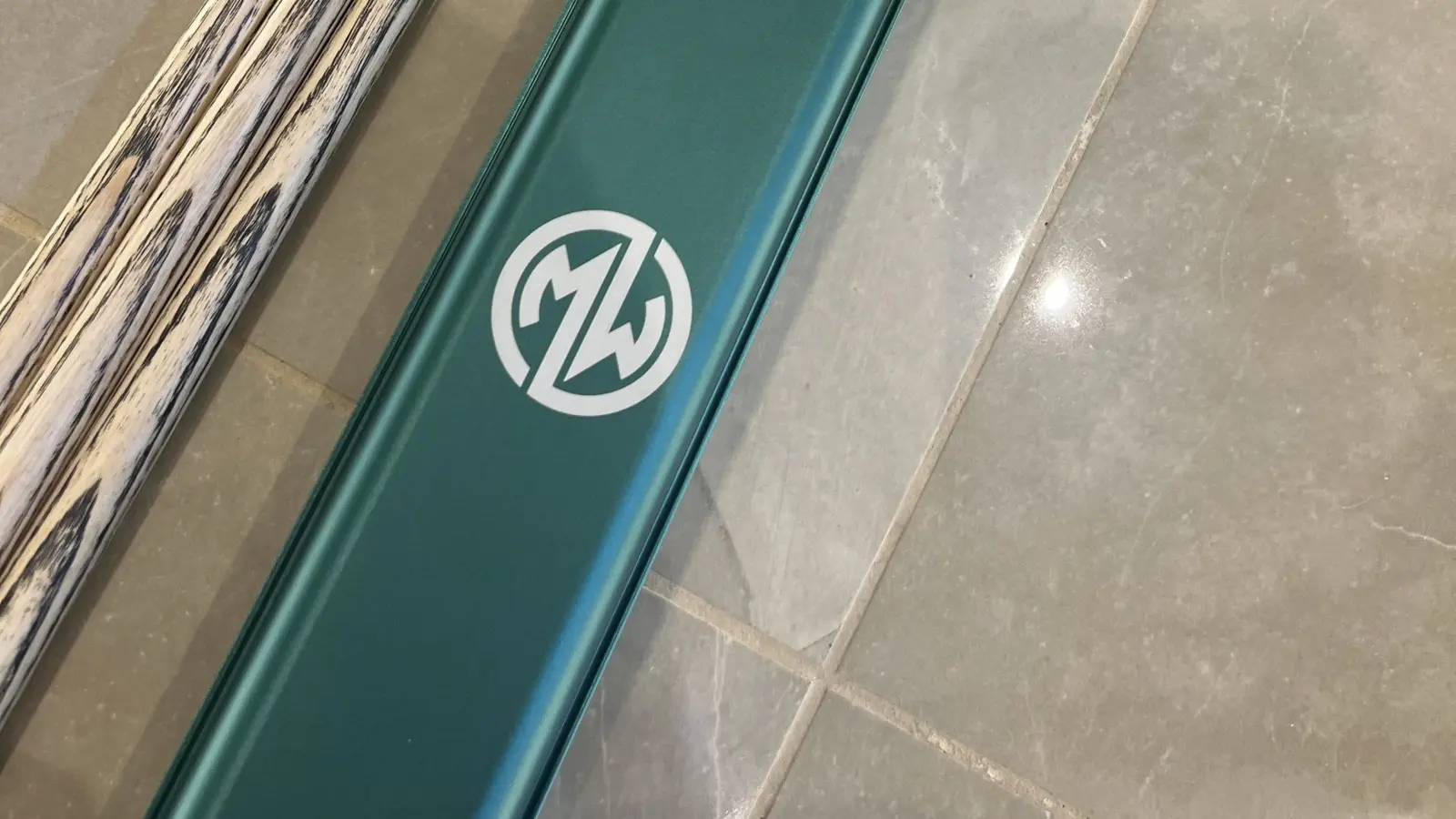
A cue is a long, thin piece of ash or maple. It wants to warp and it wants to get dented. A case exists to stop both, and most of the choice comes down to how far and how often you carry it.
A one-piece cue needs a full-length case, around 60 inches inside. A three-quarter jointed cue breaks into a long and a short section and fits a shorter case. Buy the wrong one and either the cue does not fit or you are carrying a case half full of air.
Aluminium shells take knocks that would mark a leather or fabric case, and they do not care about rain. The trade-off is weight and the fact that they look like what they are. For a cue that travels in a car boot every week, aluminium is the sensible choice.
The interior is what keeps the cue straight. A cushioned lining stops it rattling; a memory-foam cue bed holds it along its whole length rather than at two points. Look for a bed shaped to the cue rather than a flat tray.
Lockable catches matter if the case ever leaves your sight. A handle that is riveted rather than glued matters after the first year.
31 October 2026
One-piece, three-quarter and two-piece snooker cues compared: feel, travel, extensions and cases, and how to choose the joint in the CueBuilder.
31 October 2026
Why most snooker cues are ash, what maple feels like instead, and how the grain and the butt wood change the look and balance of a cue.
31 October 2026
When a cue tip needs replacing, the tools you need, and a step-by-step guide to removing the old tip, gluing the new one and shaping it.