31 October 2026
How to replace a snooker cue tip
When a cue tip needs replacing, the tools you need, and a step-by-step guide to removing the old tip, gluing the new one and shaping it.
30 October 2026 · 1 min read
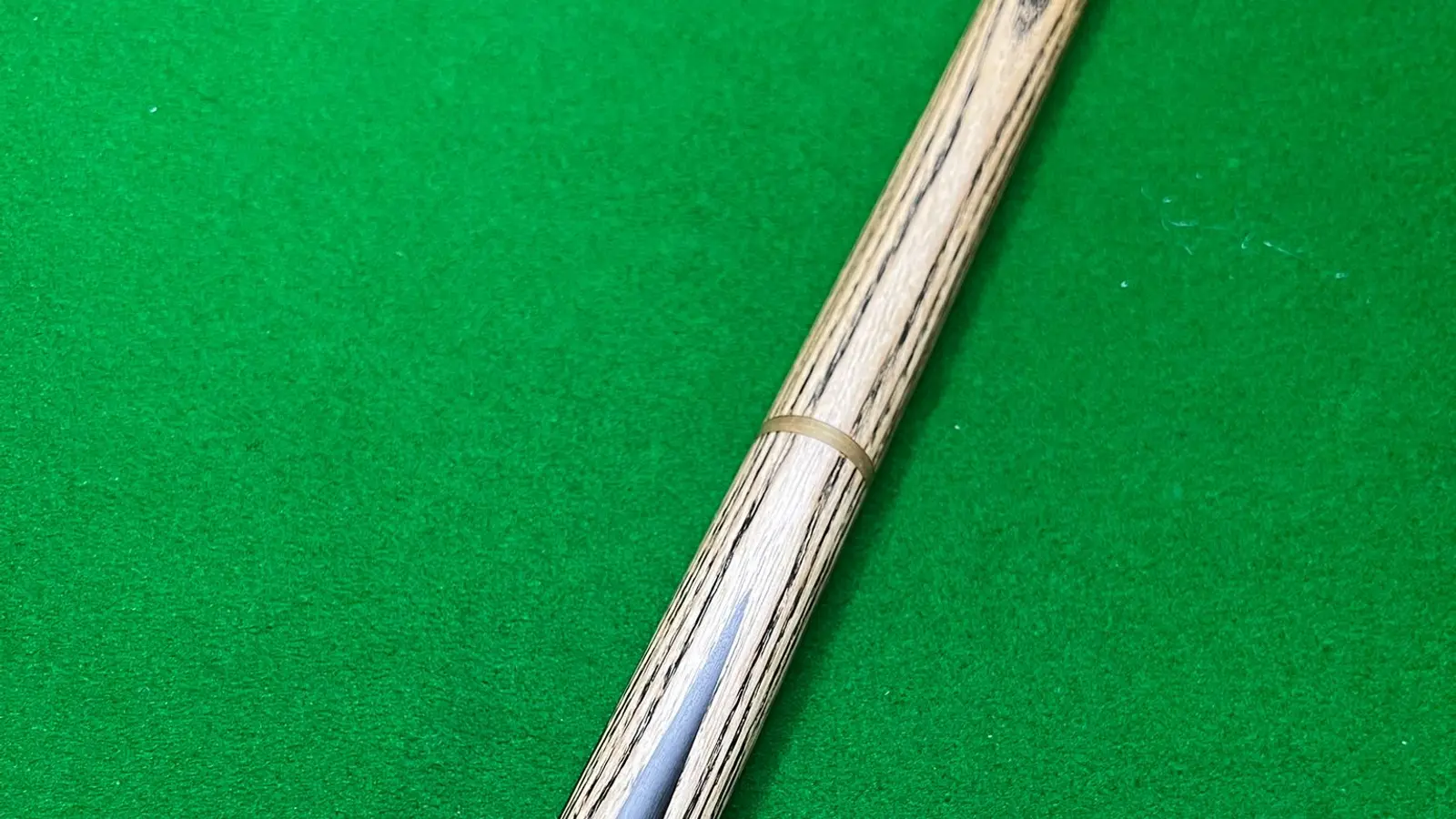
A handmade ash cue should outlast the player. Most of the ones that do not are killed by damp, heat and neglect rather than use. The routine below takes a minute a week.
Wipe the shaft down with a slightly damp cloth after playing, then a dry one. Chalk dust and hand oils build up into a grey film that makes the cue feel sticky. Never sand it: you are removing wood, not dirt. If the shaft has gone really grimy, a proper cue cleaner and a burnish with a dry cloth brings it back.
A tip wants a dome somewhere between a 5p and a 10p coin in curvature. Reshape it when it flattens, scuff it lightly if it glazes and stops holding chalk, and burnish the sides so they do not mushroom over the ferrule. Replace it when it gets thin; a tip that is too thin plays hard and can damage the ferrule.
Lean a cue in a corner for a year and it will bend. Keep it in a case, lying flat or standing with the whole length supported, away from radiators, car boots and conservatories. Temperature swings do more harm than cold.
Roll the cue on a flat table and watch the tip end. A tiny wobble is normal in a one-piece ash cue and does not affect play. A big one means it has moved, and the sooner a cue maker sees it the better.
A proper case does most of this for you. The rest is a cloth and two minutes.
31 October 2026
When a cue tip needs replacing, the tools you need, and a step-by-step guide to removing the old tip, gluing the new one and shaping it.
30 October 2026
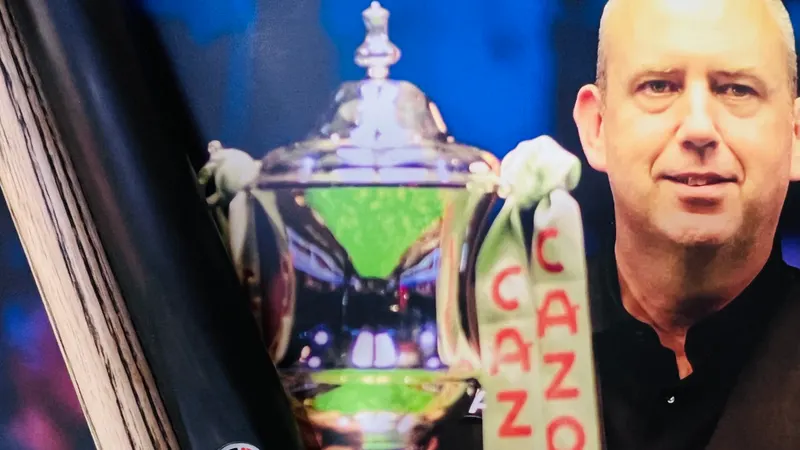
All three of Mark Williams’ Crucible finals finished 18–16. What happened in 2000, 2003 and 2018, and where the Barracuda cue fits in.
30 October 2026
8.5 mm to 10.5 mm: what tip diameter does to side, feel and forgiveness, and how to choose one in the CueBuilder.